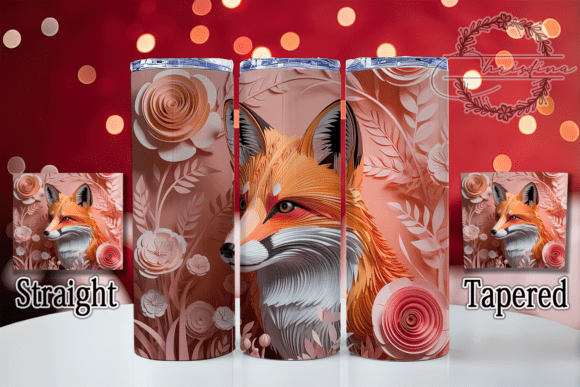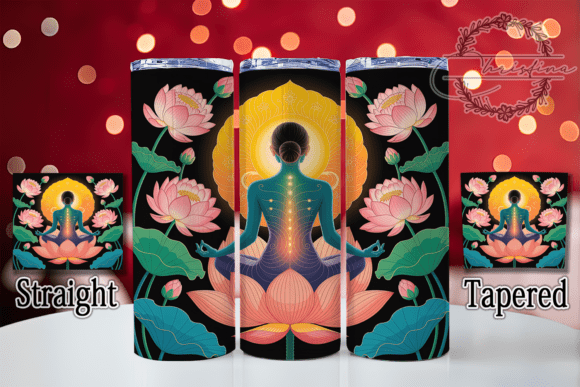
3D Embroidered Lotus Tumbler
In the competitive landscape of custom drinkware and small business entrepreneurship, visual appeal is often the primary driver of sales. Among the myriad design options available to creators, the 3D Embroidered Lotus Tumbler has emerged as a distinct choice for those seeking to add organic elegance and texture to their products. This specific digital asset is tailored primarily for 20oz skinny tumblers, offering a sophisticated aesthetic that blends natural motifs with modern drinkware trends.
However, before integrating this design into a production workflow, it is essential to understand its technical specifications, intended use cases, and limitations. This evaluation aims to provide a balanced perspective on whether this digital download aligns with your creative goals and business model.
Understanding the Product Nature
The first critical consideration for any buyer is the format of the product. The listing for the 3D Embroidered Lotus Tumbler is strictly a digital download. No physical item will be shipped, and no pre-printed tumbler will arrive at your doorstep. Instead, you are purchasing intellectual property in the form of high-resolution image files intended for transfer onto physical substrates.
This distinction is vital for managing expectations. Buyers must have access to the necessary equipment—such as heat press machines, sublimation printers, or embroidery digitizing software—to utilize these files effectively. For those new to the craft, this may require an initial investment in hardware or outsourcing services, which should be factored into the total cost of acquisition.
Technical Specifications and File Integrity
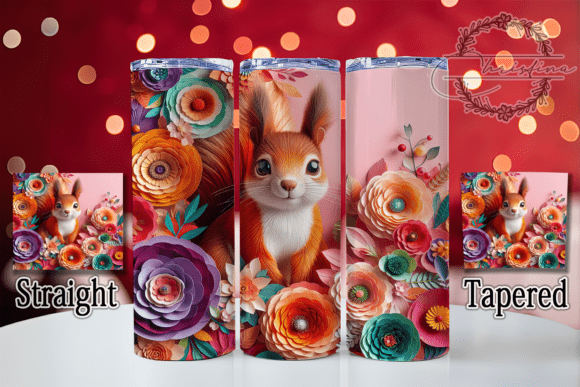
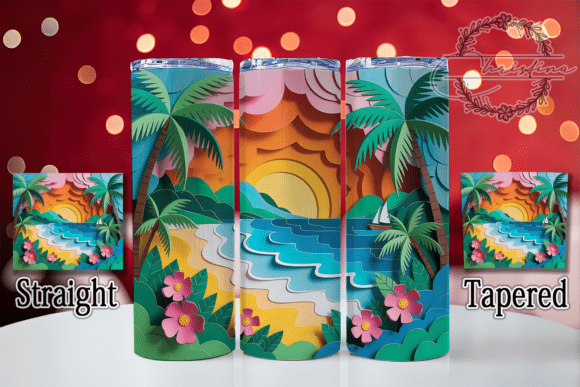
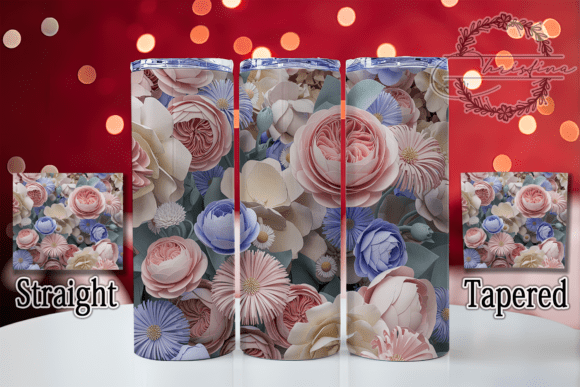
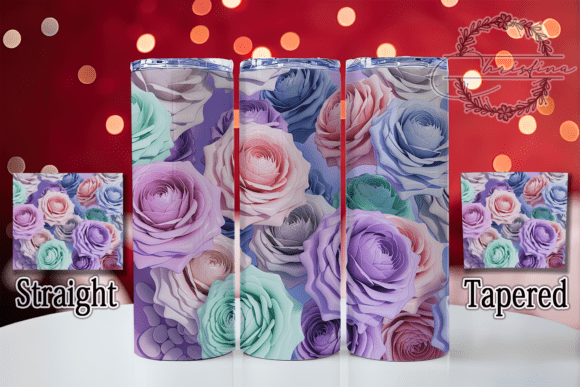
For designs to reproduce accurately on curved surfaces like tumblers, resolution and aspect ratio are paramount. The package includes two distinct PNG files:
- Straight Design: Optimized for flat application or specific wrapping techniques.
- Tapered Design: Pre-distorted to account for the curvature of a standard 20oz skinny tumbler, ensuring the lotus motif appears undistorted once applied.
Both files are provided at 300 DPI (dots per inch). In the context of printing, 300 DPI is the industry standard for high-quality output. This ensures that when the design is transferred to vinyl, sublimation paper, or fabric, the edges remain crisp and the details of the lotus petals are clear, avoiding pixelation or blurriness. The inclusion of both straight and tapered versions demonstrates thoughtful preparation by the creator, Chrisfina, reducing the need for manual distortion adjustments by the user.
Aesthetic Appeal and Versatility
The central theme of the design is the lotus flower, rendered with a "3D embroidered" style. This aesthetic mimics the depth and texture of actual threadwork, providing a premium look without the high labor costs associated with hand-embroidery. The lotus symbolizes purity, rebirth, and tranquility, making it a popular choice for brands focused on wellness, mindfulness, or feminine aesthetics.
While the design is optimized for 20oz skinny tumblers, the file’s versatility extends beyond this single product category. Because the files are high-resolution PNGs, they can be resized for other applications, such as:
- Coffee Mugs: Standard ceramic mugs can benefit from the same elegant branding.
- Apparel: When used in screen printing or direct-to-garment (DTG) processes, the design can serve as a graphic tee element.
- Accessories: Tote bags, laptop sleeves, and journal covers are viable alternatives.
However, resizing requires caution. Enlarging a raster image (PNG) beyond its original dimensions can lead to quality loss. It is advisable to keep the design within reasonable proportions relative to the canvas size to maintain clarity.
Color Accuracy and Environmental Factors
A significant challenge in digital commerce is color consistency. The listing explicitly notes that colors may vary due to differences in screen resolution, monitor calibration, and printer settings. This is not merely a disclaimer but a practical reality of digital design.
Monitors emit light, while printed materials reflect it. A vibrant pink on an LED screen may appear muted on sublimation paper depending on the ink batch and paper type. To mitigate discrepancies:
- Calibrate your monitor if possible.
- Print test strips before committing to full-scale production.
- Adjust hue and saturation in editing software to match your preferred physical output.
Buyers should view the preview images as a close approximation rather than a guaranteed exact match. This transparency helps build trust but requires users to perform their own quality control checks.
Evaluating Fit for Your Business
Determining whether the 3D Embroidered Lotus Tumbler is the right choice depends on several factors related to your target audience and production capabilities.
When This Design Is a Strong Fit
This asset is ideal for sellers who:
- Target Wellness Markets: If your customer base values yoga, meditation, or self-care themes, the lotus motif resonates deeply.
- Produce in Bulk: Digital files allow for unlimited reproductions, making them cost-effective for high-volume orders.
- Use Skinny Tumblers: If your inventory predominantly features 20oz skinny styles, the included tapered file saves significant time on design adaptation.
- Seek Premium Aesthetics: The 3D embroidered effect adds perceived value, allowing for potentially higher price points compared to simple flat graphics.
When Alternatives May Be Better
Consider other options if:
- You Require Vector Files: If you plan to scale the design extensively for large banners or signage, a vector format (SVG or AI) would be more appropriate than a raster PNG.
- You Lack Sublimation Equipment: If you do not own a heat press or sublimation printer, converting this digital file for embroidery stitching would require separate digitizing services, adding complexity and cost.
- You Need Exact Color Matching: If brand guidelines demand precise Pantone matching, relying solely on a digital preview may introduce too much variance.
Practical Decision-Making Insights
Before purchasing, assess your current workflow. Do you have existing templates for 20oz tumblers? Can you easily integrate PNG files into your design software? The convenience of having both straight and tapered versions is a notable advantage, streamlining the production process.
Furthermore, consider the longevity of the trend. While lotus designs have enduring popularity, fashion cycles in drinkware can shift rapidly. However, because the cost of a digital download is typically low compared to physical inventory, the financial risk is minimal. This allows for experimentation without significant overhead.
Finally, review the support structure. The creator offers assistance for questions regarding file usage. This support channel can be invaluable for troubleshooting printing issues or understanding how best to prepare the file for specific materials.
Conclusion
The 3D Embroidered Lotus Tumbler represents a well-crafted digital asset designed for efficiency and aesthetic impact. Its dual-file format and high resolution make it a practical tool for sellers specializing in 20oz skinny tumblers. While buyers must account for color variations and ensure they have the requisite printing technology, the design offers a versatile and elegant solution for enhancing drinkware projects. For entrepreneurs looking to add a touch of serene sophistication to their catalog, this digital download provides a solid foundation for creating high-quality, marketable products.