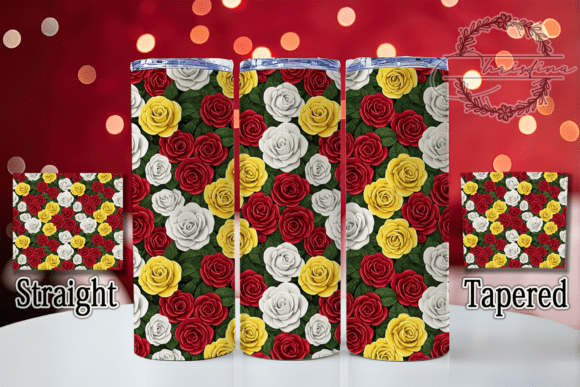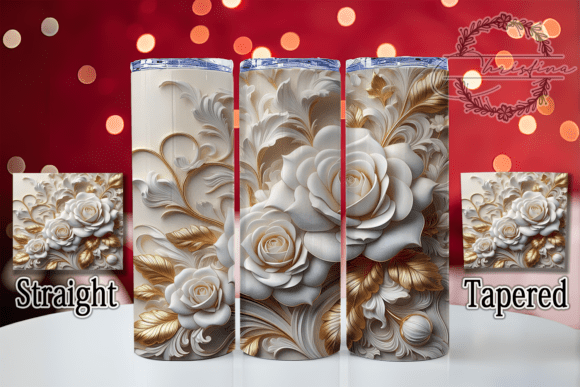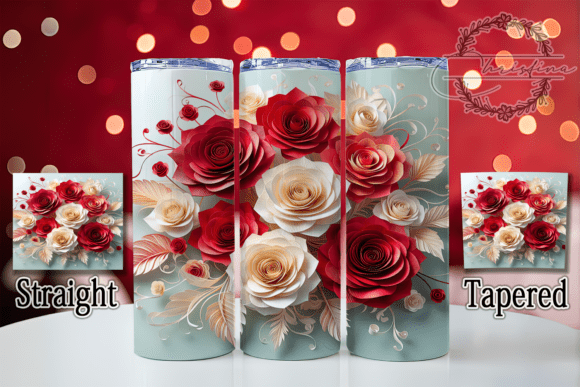
3D Red Rose Tumbler
In the rapidly evolving landscape of custom drinkware and small business entrepreneurship, visual impact is no longer just an aesthetic preference—it is a primary driver of sales. Among the myriad of design options available to creators, the 3D Red Rose Tumbler has emerged as a standout choice for those looking to infuse their products with timeless elegance and modern flair. This specific design element bridges the gap between classic romantic symbolism and contemporary industrial trends, offering a versatile asset that resonates across diverse customer segments.
For professionals in the sublimation industry, Etsy sellers, and boutique brand owners, selecting the right digital assets is critical. The market is saturated with generic patterns, yet there remains a strong consumer demand for designs that feel both personal and polished. A high-quality 3D rose graphic provides that polish, elevating a standard stainless steel vessel into a statement piece. Whether intended for a bridal shower gift, a corporate appreciation package, or a personal indulgence, the red rose carries inherent emotional weight, making it a powerful tool for marketing and branding.
The Evolution of Drinkware Design Trends
To understand why the 3D Red Rose Tumbler is relevant today, one must look at the broader shifts in lifestyle and consumption habits. Over the past few years, the "tumbler culture" has transformed from a niche hobbyist interest into a mainstream phenomenon. Consumers are increasingly viewing drinkware not merely as functional containers but as extensions of their personal style and professional identity. This shift has driven a surge in demand for customization, where buyers seek items that reflect their unique tastes rather than mass-produced uniformity.
Simultaneously, the technology behind printing and finishing has matured. Sublimation printing, heat transfer vinyl (HTV), and laser engraving have become more accessible, allowing even solo entrepreneurs to produce professional-grade results. However, with this accessibility comes increased competition. To stand out, creators need designs that offer depth, realism, and versatility. Flat, two-dimensional graphics often fail to capture attention in a crowded marketplace. In contrast, 3D-rendered elements like roses provide texture, shadow, and dimensionality, mimicking the look of real flowers without the logistical challenges of perishable goods.
This trend toward realism extends beyond mere aesthetics. It speaks to a desire for authenticity and quality. When a customer sees a 3D rose on a tumbler, they perceive value. They see effort and artistry. For the seller, this perception translates into higher perceived value, allowing for competitive pricing and stronger profit margins. The 3D Red Rose Tumbler leverages this psychological advantage by delivering a premium look through a digital file that is easy to scale and reproduce.
Technical Specifications and Workflow Integration
For creators integrating this design into their workflow, technical precision is paramount. The success of any print job relies heavily on the source file’s resolution and format. The listing for this particular design offers a thoughtful solution to common pain points faced by sublimators and crafters: the challenge of fitting curved surfaces accurately.
Typically, applying a flat image to a cylindrical object can result in distortion if not handled correctly. To address this, the design includes two distinct PNG files:
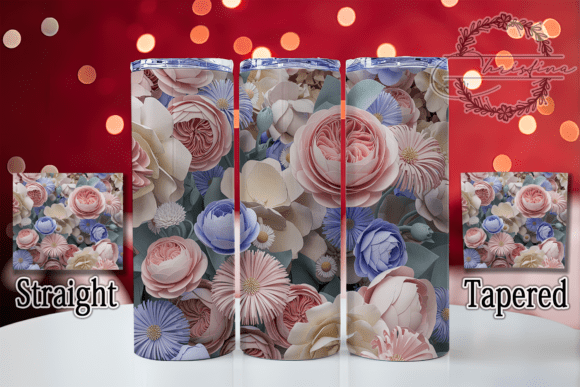
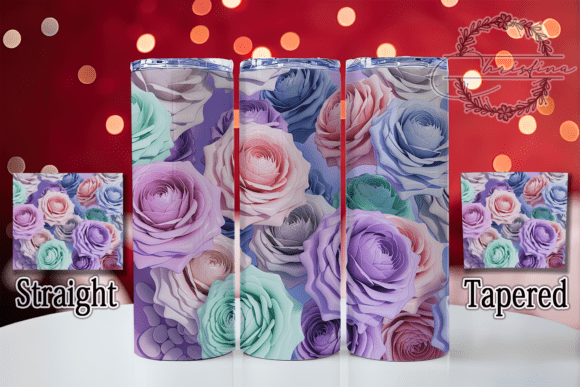
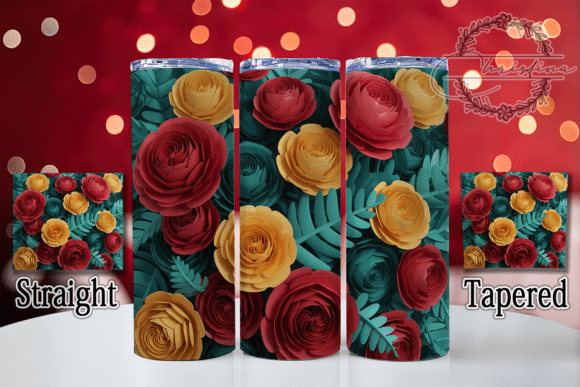
- Straight Design: Ideal for users who plan to wrap the image around the tumbler using specialized software or manual alignment techniques. This version allows for maximum flexibility in how the rose is positioned relative to seams or other design elements.
- Tapered Design: Specifically crafted to match the contour of a 20oz skinny tumbler. This pre-distorted layout ensures that when applied, the rose appears natural and undistorted to the naked eye. It saves significant time in the design phase, reducing the learning curve for beginners while maintaining professional standards for experts.
Both files are provided in high-resolution PNG format at 300 DPI. This resolution is the industry standard for high-quality printing, ensuring that fine details—such as the delicate edges of petals and subtle gradients in color—are rendered crisply. Lower-resolution images often appear pixelated or blurry after the heat transfer process, which can detract from the final product’s appeal. By providing 300 DPI assets, the creator ensures that the output matches the input in terms of clarity and vibrancy.
Versatility Beyond Standard Tumblers
While the 3D Red Rose Tumbler design is optimized for 20oz skinny tumblers, its utility extends far beyond this single application. One of the key advantages of owning a digital asset library is the ability to repurpose content across multiple product lines. The resizable nature of these vector-based or high-res raster files means they can be adapted for various merchandise categories.
Consider the following practical applications:
- Apparel and Accessories: The rose motif can be scaled down and printed on tote bags, baseball caps, or hoodies. The red color palette works exceptionally well for fall collections, Valentine’s Day promotions, or wedding-themed apparel.
- Home Decor: Applying the design to ceramic mugs, coasters, or framed prints allows creators to expand their inventory without designing new artwork from scratch. The elegant theme fits seamlessly into home office setups or kitchen decor.
- Corporate Gifting: Businesses often seek branded gifts for clients. A 3D rose design can be paired with company logos to create sophisticated thank-you gifts for employees or partners, particularly during milestone events or holidays.
This adaptability maximizes the return on investment for the digital purchase. Instead of buying a single-use graphic, creators acquire a modular component that can be integrated into a broader creative strategy. It encourages experimentation and innovation, allowing businesses to test new markets with minimal financial risk.
Color Accuracy and Realistic Expectations
A common concern in digital design commerce is the discrepancy between on-screen colors and physical prints. Screens emit light, while printed materials reflect it. Factors such as monitor calibration, printer ink density, and material surface texture all influence the final appearance of the 3D Red Rose Tumbler.
Creatives should approach color management with realistic expectations. While every effort is made to ensure the digital preview accurately represents the design, slight variations are inevitable. Deep reds, in particular, can appear darker or lighter depending on the base color of the tumbler. For instance, a white tumbler will yield the most vibrant and true-to-life representation of the rose, whereas a black or metallic finish may mute certain tones or require additional post-processing adjustments.
To mitigate these issues, it is recommended that users perform test prints before committing to large production runs. This practice helps identify any necessary adjustments in brightness, contrast, or saturation. Additionally, open communication with customers regarding potential color variations can manage expectations and reduce returns. Transparency builds trust, a crucial commodity in the e-commerce space.
Supporting Independent Creators
Behind every high-quality digital asset is an individual dedicated to refining their craft. Purchasing designs like the 3D Red Rose Tumbler directly supports independent artists and designers. These creators invest countless hours into mastering rendering techniques, understanding color theory, and responding to community feedback. By choosing to buy from sources like Chrisfina, customers contribute to a sustainable ecosystem of creativity.
This support model fosters innovation. When creators receive positive reinforcement and financial stability, they are encouraged to experiment with new styles, improve existing assets, and develop more comprehensive libraries. It creates a virtuous cycle where better tools lead to better end-products, which in turn satisfy consumers and drive further engagement.
Furthermore, many independent sellers offer responsive customer support. If you encounter difficulties opening files, resizing images, or troubleshooting print errors, reaching out directly can resolve issues quickly. This level of personalized assistance is often unavailable with automated stock photo platforms, adding tangible value to the purchase experience.
Conclusion
The 3D Red Rose Tumbler represents more than just a decorative graphic; it is a strategic asset for anyone involved in the custom merchandise industry. Its combination of aesthetic appeal, technical precision, and versatile application makes it a valuable addition to any designer’s toolkit. As trends continue to favor personalized, high-quality goods, having access to robust, ready-to-use designs allows creators to stay agile and responsive to market demands.
Whether you are a seasoned entrepreneur expanding your catalog or a hobbyist dipping your toes into the world of sublimation, this design offers a reliable path to creating beautiful, marketable products. By understanding the nuances of digital assets—from resolution and tapering to color accuracy—you can leverage this resource to enhance your brand and connect with customers on a deeper level. In a digital-first economy, the quality of your inputs determines the quality of your outputs. Choosing the right design is the first step toward crafting exceptional experiences for your audience.