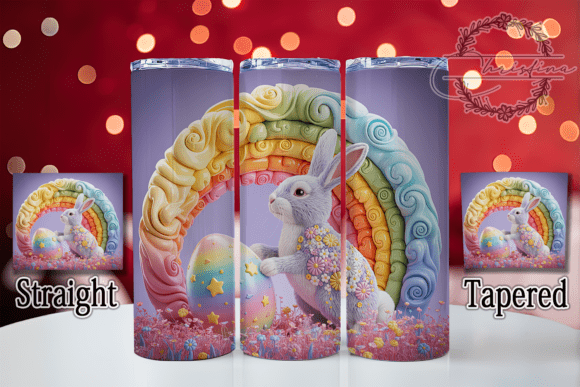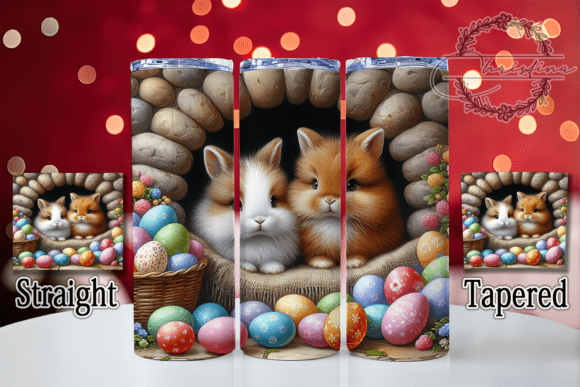
Evaluating the 3D Rabbit Hole Easter Tumbler Design for Custom Drinkware Projects
When curating designs for custom drinkware, particularly for seasonal events like Easter, creators often face a specific challenge: finding artwork that captures attention without overwhelming the canvas. The 3D Rabbit Hole Easter Tumbler design has emerged as a notable option for those working with 20oz skinny tumblers. This digital asset offers a distinct aesthetic that blends whimsical themes with modern printing requirements. However, before committing to any digital download for commercial or personal use, it is essential to understand not just what the file contains, but how it fits into broader production workflows, material constraints, and design trends.
This analysis explores the technical specifications, creative versatility, and practical applications of this specific design. By examining its features alongside common industry standards, we can determine whether this resource aligns with your current project needs or if alternative approaches might serve you better.
Understanding the Core Product Specifications
The primary value proposition of the 3D Rabbit Hole Easter Tumbler lies in its technical preparation for sublimation and vinyl cutting. Unlike generic clip art that may require significant resizing or cleanup, this listing provides two distinct file formats tailored to the geometry of popular tumbler models.
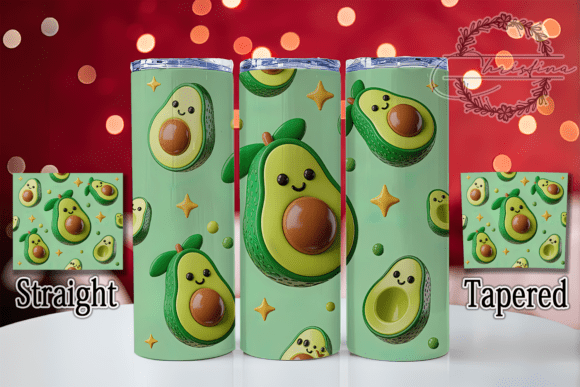
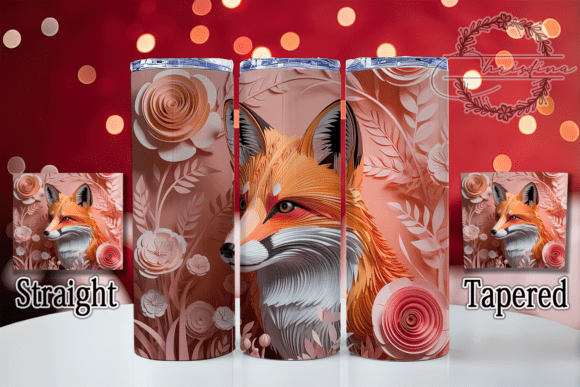
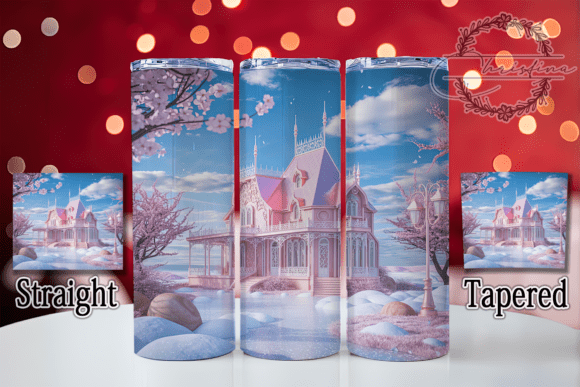
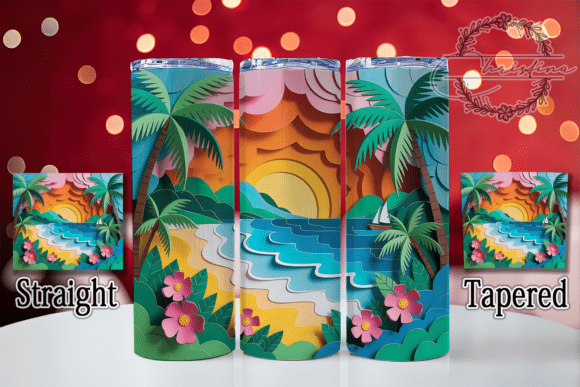
- Straight Design File: This PNG file is optimized for flat surfaces or areas where the curvature of the tumbler is minimal. It ensures that the central motif remains undistorted when applied to the main body of the cup.
- Tapered Design File: Skinny tumblers typically feature a taper from top to bottom. A standard rectangular image will look stretched or compressed on such a surface. This specific file accounts for that angle, ensuring the "rabbit hole" imagery maintains its intended proportions and visual impact once adhered to the curved glass or steel.
Both files are delivered at 300 DPI (dots per inch). In the world of print-on-demand and craft businesses, resolution is non-negotiable. Low-resolution images result in pixelated edges and blurry details, which can undermine the perceived quality of the final product. At 300 DPI, the design retains crisp lines and vibrant color gradients, meeting professional printing standards right out of the download folder.
Creative Versatility Beyond the Tumbler
While the marketing for the 3D Rabbit Hole Easter Tumbler explicitly mentions compatibility with 20oz skinny tumblers, limiting the scope of this design to a single product type overlooks its broader utility. Digital assets are inherently scalable, and understanding their flexibility can expand your inventory options.
Resizing and Adaptation
Because the source files are high-resolution PNGs, they can be resized down for smaller items without losing clarity. Consider using the straight version for:
- Standard Coffee Mugs: The design can be centered on ceramic mugs for a cohesive spring-themed collection.
- Phone Cases: The vertical orientation of the tapered design could work well as a full-wrap graphic for protective phone cases.
- Notebooks and Journals: The whimsical nature of a "rabbit hole" theme translates effectively to stationery, appealing to students and planners alike.
Material Considerations
The suitability of this design also depends on the transfer method. For sublimation, the bright colors and detailed shading typical of 3D-style graphics shine on white polyester-coated blanks. If you are using heat transfer vinyl (HTV), you may need to separate the layers of the design depending on the complexity of the shadows and highlights. Vinyl works best with simpler, solid-color graphics, whereas sublimation handles the nuanced gradients of a 3D render much more effectively.
Comparing Styles: Whimsical vs. Minimalist Trends
In the competitive market of handmade goods, design style plays a crucial role in consumer appeal. The 3D Rabbit Hole Easter Tumbler falls squarely into the whimsical and illustrative category. This stands in contrast to other popular Easter aesthetics, such as minimalist line art, pastel watercolor florals, or bold typography-based quotes.
Advantages of the 3D Illustrative Style
Three-dimensional graphics tend to pop visually, especially on glossy surfaces like stainless steel tumblers. They create a sense of depth that flat vector art sometimes lacks. For customers browsing online marketplaces, a design with rich detail and perceived depth can stand out in search results against a sea of simple silhouettes. The "rabbit hole" theme also taps into a narrative element, inviting curiosity rather than just displaying a static symbol like a bunny or egg.
Potential Limitations
However, busy designs do not suit every brand identity. If your business focuses on clean, Scandinavian-inspired minimalism, this intricate design may feel too cluttered. Additionally, complex 3D renders can sometimes clash with certain color palettes. If your target demographic prefers muted, earthy tones, the potentially vibrant colors of this design might require careful selection of the base tumbler color to ensure harmony.
Technical Tradeoffs and Color Accuracy
One of the most critical aspects of evaluating any digital design is managing expectations regarding color reproduction. The seller notes that screen resolution and monitor settings can affect how the design appears. This is a universal truth in digital commerce, but it carries specific weight for Easter-themed products.
The Screen-to-Print Gap
Easter palettes often rely on soft pastels—mint greens, baby blues, and pale pinks. These colors are notoriously difficult to reproduce accurately across different printers and materials. A pastel shade that looks vibrant on an OLED monitor might appear washed out on a matte-finish tumbler. Conversely, darker shades in the 3D rendering might lose definition if printed on a dark-colored blank without a white underbase layer.
Best Practices for Mitigation
To avoid dissatisfaction, creators should always run test prints before large-scale production. Use the same material and coating you intend to sell. If the design includes subtle shading, verify that these details remain visible after the sublimation process. Understanding these limitations allows you to advise your customers correctly or adjust your own pricing to account for potential waste during testing.
Decision Factors: Is This the Right Fit?
Choosing the 3D Rabbit Hole Easter Tumbler design requires balancing several factors. Here is a framework to help you decide if this asset aligns with your goals.
When to Choose This Design
- You specialize in 20oz Skinny Tumblers: The inclusion of both straight and tapered files saves you time on prepping the image, reducing the risk of distortion errors.
- Your audience enjoys detailed, character-driven art: If your buyers prefer unique, story-like visuals over generic patterns, this design offers a strong differentiator.
- You use sublimation printing: The high DPI and gradient capabilities of the file are fully utilized in sublimation, maximizing the return on investment for the digital purchase.
When to Look Elsewhere
- You primarily use vinyl cutting: If you lack the equipment to separate complex layers, a simpler vector design might be more efficient.
- You need immediate physical delivery: As a digital-only product, there is no shipping time, but also no instant gratification of holding the item. You must have your own blanks ready.
- Your brand is strictly monochrome: If your entire aesthetic is black and white, a colorful 3D render may disrupt your brand consistency unless heavily modified.
Final Thoughts on Integration
The 3D Rabbit Hole Easter Tumbler represents a thoughtful approach to seasonal design, addressing the specific geometric challenges of modern drinkware while offering high-quality digital assets. Its strength lies in its readiness for professional printing and its ability to add a touch of playful sophistication to spring collections.
For creators looking to diversify their Easter offerings, this design provides a solid foundation. By understanding its technical strengths, acknowledging color variability, and considering its fit within your broader product line, you can make an informed decision that supports both your creative vision and your business objectives. Whether used as the centerpiece of a tumbler collection or adapted for smaller accessories, the design’s versatility offers genuine value in a crowded marketplace.