The Rise of the 3D Rainbow Easter Bunny Tumbler in Modern Drinkware Design
In the rapidly evolving world of custom drinkware, seasonal themes often dictate market trends with surprising speed. Among the most vibrant and sought-after designs for the spring season is the 3D Rainbow Easter Bunny Tumbler. This specific aesthetic has moved beyond simple novelty to become a staple in the repertoire of small business owners, crafters, and design enthusiasts who specialize in personalized gifts. The appeal lies not just in the festive imagery, but in the technical execution required to bring a three-dimensional illusion to life on a two-dimensional surface.
This article explores the nuances of this popular design trend, examining its visual characteristics, the technical specifications that make it successful, and the diverse applications that extend far beyond traditional holiday usage. By understanding the mechanics behind these digital assets, creators can maximize their potential for profit and artistic expression.
Visual Characteristics and Aesthetic Appeal
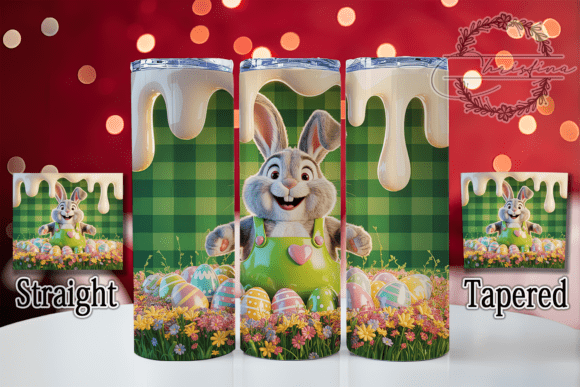
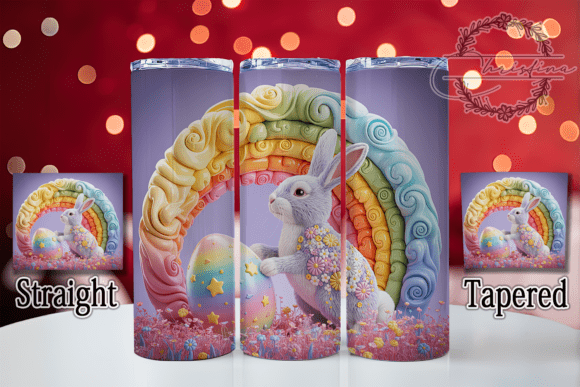
The term "3D" in the context of sublimation printing refers to a design technique that creates depth, shadow, and dimensionality, making the image appear as though it is popping off the surface of the tumbler. The 3D Rainbow Easter Bunny Tumbler design typically features a bunny motif rendered with gradients, highlights, and soft shadows that mimic realistic lighting. When paired with a rainbow color palette, the result is a cheerful, eye-catching piece that stands out against more monochromatic or pastel-heavy competitors.
Why does this style resonate so strongly with consumers? First, it offers a sense of premium quality. Flat, single-color graphics can sometimes feel dated or inexpensive. In contrast, a well-executed 3D design suggests attention to detail and higher production value. Second, the rainbow element taps into a universal love for bright, optimistic colors. It signals celebration, joy, and the renewal associated with springtime. For the end-user, owning a tumbler with such a vivid design is a way to carry a piece of festive spirit through their daily routine, whether at the office, the gym, or during outdoor activities.
Technical Specifications: The Importance of Resolution and Format
For any creator looking to produce high-quality merchandise, the source file is paramount. The success of a 3D Rainbow Easter Bunny Tumbler print depends heavily on the resolution and format of the digital asset provided. High-resolution files are non-negotiable when working with large-format printers used for tumblers, mugs, and signs.
Understanding DPI (Dots Per Inch)
A standard requirement for professional-grade sublimation printing is a resolution of 300 DPI. This ensures that when the image is transferred onto the curved surface of a tumbler, there is no pixelation, blurring, or loss of detail. Lower resolution images may look sharp on a computer screen but will appear jagged and low-quality once printed. Therefore, buyers and designers must prioritize assets that explicitly state they are high-resolution.
PNG Files and Transparency
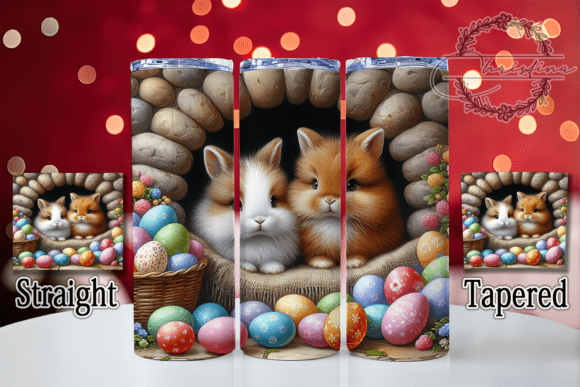
The Portable Network Graphics (PNG) format is widely preferred in the crafting community because it supports transparency. This feature allows the designer to place the bunny graphic over different background colors or patterns without a white box surrounding the image. Furthermore, having both straight and tapered design files is crucial. A 20oz skinny tumbler has a distinct shape—narrower at the top and bottom with a wider middle section. A design that looks perfect on a flat plane may distort if applied incorrectly to a tapered object. Providing separate files for straight and tapered cuts ensures that the artwork maintains its proportions and integrity regardless of the container's geometry.
Versatility Beyond the Holiday Season
While the name suggests an Easter theme, the utility of a 3D Rainbow Easter Bunny Tumbler design extends well past April. Creative professionals often repurpose such assets to maximize their return on investment. The core elements—a cute animal character and a vibrant color scheme—are timeless enough to be adapted for various occasions.
- Birthday Celebrations: The rainbow motif works exceptionally well for children’s birthdays, particularly those with a "unicorn," "magic," or "colorful" theme.
- Spring Events: Garden parties, baby showers, and church events often seek bright, floral-adjacent aesthetics that this design complements perfectly.
- Rainbow Awareness: During Pride Month, the use of rainbow colors takes on a new significance. While the bunny might be seasonal, the color palette itself is powerful and can be marketed toward broader audiences seeking inclusive merchandise.
- General Spring Decor: Even after Easter, the freshness of the rainbow colors fits well into general spring cleaning and home decor refreshes.
This versatility allows sellers to keep their inventory relevant longer. Instead of discarding unused stock immediately after the holiday, businesses can re-market the product under different seasonal banners, thereby reducing waste and increasing profitability.
Implementation Strategies for Creators
Successfully integrating a digital design into a physical product requires a strategic approach. Here are several steps creators should consider when working with assets like the 3D Rainbow Easter Bunny Tumbler.
- Material Selection: Ensure you are using compatible materials. Sublimation only works effectively on polyester-coated surfaces or polymer-treated blanks. Using the wrong type of tumbler will result in faded or non-existent prints.
- Resizing and Proportioning: As noted in the design description, while the file is optimized for 20oz skinny tumblers, it is resizable. However, resizing vector-based or high-res raster images too much can lead to quality loss. Always test print on scrap material before committing to expensive blanks.
- Color Calibration: One of the biggest challenges in digital-to-physical translation is color accuracy. Screens emit light, while printed ink reflects it. A bright neon green on your monitor might appear muted on the final product due to printer calibration or ink limitations. Understanding this limitation helps manage customer expectations.
Considerations for Buyers and Consumers
For those purchasing digital downloads, it is essential to understand what is being acquired. A common misconception among new buyers is expecting a physical item to arrive in the mail. Clarification is key: these listings are strictly for digital downloads. No physical tumbler, bunny figurine, or printed cup will be shipped. The transaction involves receiving access to download the PNG files, which the buyer then uses in their own production process.
Additionally, users should be aware of the color disclaimer. Due to differences in screen resolution, monitor settings, and printer calibration, final print colors may vary slightly from what is seen on screen. This is not a defect in the design but a reality of the printing industry. Professional sellers communicate this clearly to customers to avoid disputes regarding color matching. If a specific shade is critical, conducting a test print on the exact blank and printer setup intended for production is highly recommended.
The Role of Digital Assets in Small Business Growth
The availability of high-quality, niche-specific digital designs empowers small business owners to compete with larger retailers. By offering unique items like the 3D Rainbow Easter Bunny Tumbler, entrepreneurs can differentiate themselves in saturated markets. These digital assets reduce overhead costs associated with holding physical inventory. Instead of buying pre-made goods, sellers invest in digital rights, allowing them to produce items on-demand.
This model aligns with sustainable consumption practices by minimizing overproduction. Items are only created when there is a confirmed order, reducing the likelihood of unsold stock ending up in landfills. For educators and hobbyists, these resources also serve as excellent teaching tools, demonstrating principles of graphic design, color theory, and digital manufacturing.
Conclusion
The 3D Rainbow Easter Bunny Tumbler represents more than just a seasonal decoration; it is a testament to the intersection of digital artistry and physical craftsmanship. Its success relies on high-resolution technical standards, versatile application across multiple seasons, and clear communication between seller and buyer. Whether you are a seasoned pro looking to expand your catalog or a beginner exploring the world of sublimation, understanding the value and requirements of such designs is crucial. By leveraging these digital tools responsibly and creatively, individuals can produce meaningful, high-quality products that delight customers and support sustainable business practices.